Helmets & Gear
Best kids bike gloves
The Giro Youth DND Jr II is the one to buy: it is the only glove here whose maker publishes a youth hand-width chart, so you can size it before it ships. Below it, a trail glove, a thin-palmed race glove, a gel-padded budget pick and a fingerless glove that actually fits a three-year-old.
Some links on this page are affiliate links. If you buy through one, we earn a commission at no extra cost to you. It never changes which bike we put first — here is exactly how we make money.
Buy the glove whose maker publishes a hand measurement. Only two here do: Giro quotes youth hand width from 5.2 to 6.8 inches across four sizes, and Fox quotes youth hand circumference from 5.25 to 6.125 inches. Everything else is sold as S, M or L and has to be tried on. For a child under about five, buy fingerless; from five up, buy full-finger.
| Glove | Sizes offered | Published hand measurement | Fingers | Palm |
|---|---|---|---|---|
| Giro Youth DND Jr II | Youth XS/S/M/L | Hand width 5.2–6.8" | Full | Single-layer synthetic, unpadded |
| Fox Racing Youth Ranger | Youth S/M/L | Hand circumference 5.375–6.125" | Full | Clarino synthetic leather |
| 100% RIDECAMP Youth | Youth S/M/L | none published | Full | Single-layer clarino, unpadded |
| FINGER TEN kids gel glove | S/M/L | none published | Full | Gel pad |
| Bawnhaw fingerless 3–8T | 3–8T age band | none published | Fingerless | Shock pad |
Read from each maker's published information on 2026-10-15. Three of the five publish no hand measurement at all — that is the single most useful fact on this page, so it is stated rather than filled in.
Do kids actually need bike gloves?
Honestly: no, not the way they need a helmet. A helmet is the one non-negotiable purchase and nothing on this page comes close to it in value. If you have a fixed budget and no helmet yet, close this tab and read best kids bike helmets instead.
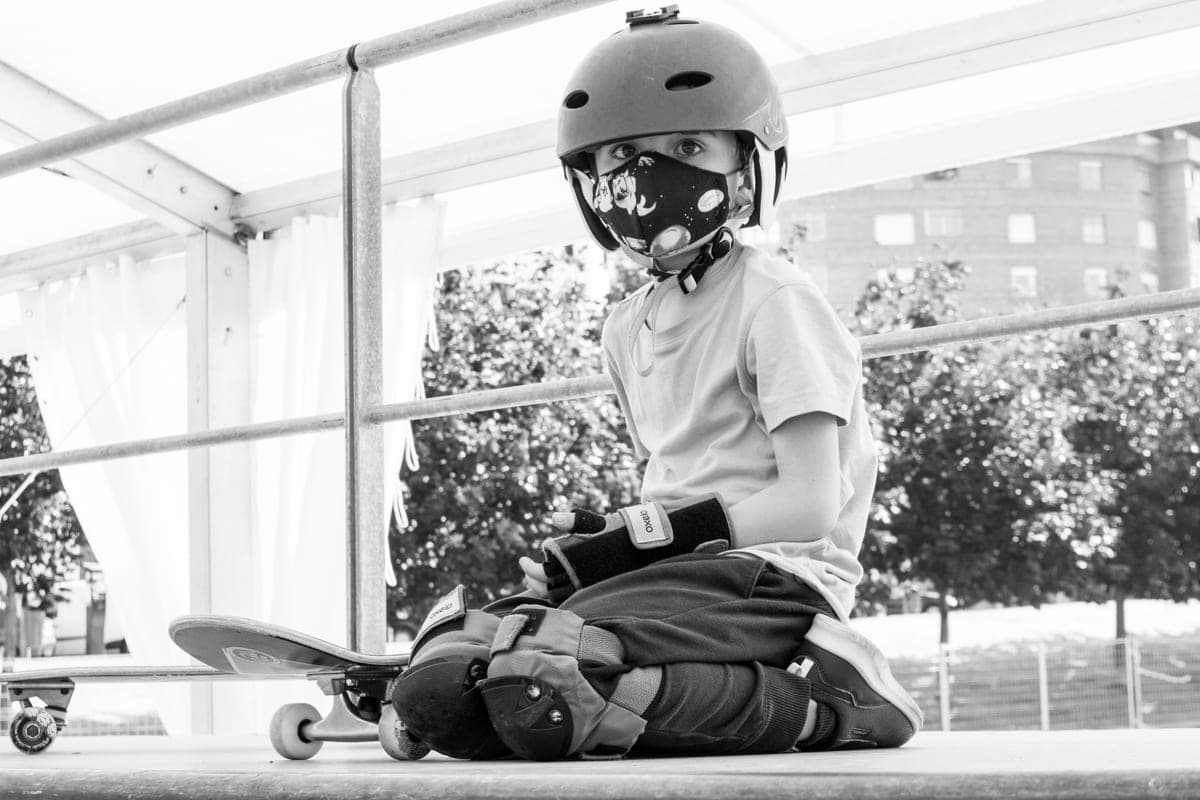
What gloves do earn their place on is the thing that actually happens when a child falls off a bike: they put a hand down. Palms and the heels of hands take the gravel, and a scraped palm is the injury most likely to end the riding for a week or two — not because it is serious, but because every handlebar grip hurts afterwards. A glove turns that into nothing.
The secondary reason is grip. A sweaty six-year-old on a plastic grip on a hot afternoon loses hold of the bars, and a glove fixes that more reliably than any grip upgrade. The third reason is the one parents never predict: a child who has gloves puts their hands down with confidence instead of flinching, which makes the fall smaller.
How we chose
Five criteria, in the order they decide the purchase.
Step 01
Does the maker publish a hand measurement?
This is the whole game, and it is the same argument this site makes about bikes and inseams. "Youth medium" is not a measurement — it is a bet on where one company thinks the middle of childhood sits. Giro publishes hand width in inches for four youth sizes; Fox publishes hand circumference for four. Nobody else here publishes anything at all.
Step 02
Finger coverage matched to the stage
Full-finger covers knuckles and fingertips, which is where a sliding fall takes skin. Fingerless is easier to get on and off and far less likely to be refused by a toddler. The stage, not the parent's preference, should decide this — see the next section.
Step 03
Palm thickness against brake-lever feel
A gel pad protects the palm and dulls the brake lever. On a balance bike with no brake, pad it as much as you like. On a first pedal bike where the child is still learning to modulate a hand brake, a thin single-layer palm is the better trade.
Step 04
A closure a child can work alone
One wide hook-and-loop wrist strap. Two straps, a zip or an elastic cuff with no adjustment all end the same way: an adult doing it, every single ride, until the gloves stop coming out of the drawer.
Step 05
Currently in stock, in more than one size
Cycling gloves are sold as one Amazon listing per size and per color, which means a glove can be "available" and still be unbuyable in the size you need. Everything on this page returned live and in stock when we checked the listings on 15 October 2026.
Full-finger or fingerless, by stage
This maps onto the same stages the rest of the site is built around.
Balance bike, roughly 2 to 4 — fingerless
A balance-bike rider has no brake lever to feel and falls at walking pace, mostly onto the palm. Fingerless gloves go on in seconds, come off without a fight, and do not make small fingers feel trapped. A toddler who refuses full-finger gloves wears fingerless ones.
First pedal bike, roughly 4 to 6 — either, leaning full-finger
This is the stage where speed arrives and the child starts using a hand brake. Full-finger coverage is worth having, but a thin palm matters more: a child learning to squeeze a lever progressively should not be doing it through a gel pad. If they will tolerate full-finger, buy it.
Big kid bike, 6 and up — full-finger
Faster, further from home, and usually off pavement at least some of the time. Full-finger with a hard-wearing synthetic palm, and a touchscreen panel if they carry a phone. This is the one stage where a proper trail glove is the right answer rather than an indulgence. If you are buying the bike at the same time, the sizing for this age group is on what size bike for a 9 year old and what size bike for a 10 year old.
How to measure a child's hand
Two minutes with a soft tape measure, and it converts both brand charts into an actual answer.
Step 01
Hand width (what Giro quotes)
Wrap the tape around the hand at the widest part of the palm, just below the knuckles, with the thumb out of the loop. Have them close the hand lightly, then read the tape. Giro's youth sizes run XS 5.2–5.6 in, S 5.6–5.9 in, M 6.0–6.4 in, L 6.4–6.8 in.
Step 02
Hand circumference (what Fox quotes)
Fox measures the same way — around the widest part of the hand — and publishes youth sizes from 5.25 in at YXS up to 5.875–6.125 in at YL. The two brands' numbers are close but not identical, so use each brand's own chart rather than converting between them.
Step 03
Size up, never down
Between two sizes, take the larger. A tight glove gets refused; a slightly loose one with a wrist strap pulled snug gets worn. This is the opposite of our advice on bikes, and the reason is simple — a loose glove is a minor annoyance, where a bike that is too big is frightening.
The picks, one by one
Giro Youth DND Jr II — best overall
The only glove in this group from a bicycle company that publishes a youth hand-width chart, which is why it wins. Four youth sizes against a real measurement, a single-layer synthetic palm thin enough that a child can still feel a brake lever through it, a microfiber thumb panel for wiping a face, and one wide wrist closure a five-year-old can do up alone.
The honest cons: there is no padding in the palm at all, so a child who falls hard on gravel will feel it; nothing on the glove is impact-rated; and it costs roughly double a generic kids glove for a size chart and a better palm. It is also sold as a separate listing per size and color, so the one you want may be a different page.
Fox Racing Youth Ranger — best for trails
The trail glove. A Clarino synthetic-leather palm is the most abrasion-resistant surface here, the mesh back vents properly on a climb, and the touchscreen-compatible index finger and thumb stop a ten-year-old pulling the glove off to use a phone. Fox publishes youth sizing by hand circumference, so it can be measured too.
The cons: it is the most expensive glove on this page by a clear margin, it is cut long and snug in a way that is fiddly for a child still learning to dress themselves, and it is genuine overkill for a balance-bike or first-pedal-bike rider on pavement. Colorways are separate listings and stock moves around.
100% RIDECAMP Youth — best lever feel
The thinnest palm of the five and the best brake and shifter feel as a result, with a perforated knuckle panel that vents unusually well for a full-finger glove. It sits between the Giro and the Fox on price while using much the same palm material as the Fox.
The cons are real and they cost it the top spot: 100% publishes no hand circumference or hand width for youth sizes, only S, M and L, so you cannot size it on paper at all. There is no palm padding whatsoever, stock on individual size and color listings is thin, and because the range is marketed for motocross as well as mountain biking, neighboring listings show armoured gloves that are not this one.
FINGER TEN Kids Bike Gloves with Gel Padding — best on a budget
The budget pick, and the only glove here with a gel pad in the palm. For a child who is still falling off regularly rather than riding fast, that is arguably the right priority — and it comes at roughly half the price of the cheapest brand-name option, in a range of colors and patterns that matter far more to the child than anything else on this page.
The cons: no hand measurement is published anywhere, so sizing is S/M/L and a guess; the gel pad reduces brake-lever feel, which is a genuine trade-off on a bike with hand brakes; there is no brand spec page, so everything published about it lives on the Amazon listing; and the fabric back is less breathable than the mesh on the Fox and 100% gloves.
Bawnhaw Kids Fingerless Cycling Gloves 3–8T — best for balance-bike age
The balance-bike glove, and it solves a problem the brand-name gloves do not even attempt: it is genuinely sized from three years old, where most "youth" gloves start at a six-year-old's hand. Fingerless, a shock pad where a scooting child actually lands, a toweling thumb panel, one adjustable wrist strap, and cheap enough to replace without complaint when one goes missing.
The cons: fingerless means no fingertip or knuckle cover, which is exactly where a sliding fall takes skin; a 3–8T band is the only sizing published, with no hand measurement at all; there is no brand spec page; and the construction is not in the same class as the Giro or the Fox — it will not last two seasons.
What gloves do not do
None of these are impact-rated and none of them are protective equipment in the sense a helmet or a knee pad is. There is no CPSC standard for a cycling glove, no certification mark to look for, and no published impact figure on any glove here. They are abrasion protection and grip — that is the honest claim, and it is worth about fifteen dollars, not fifty.
If you are buying protection in order of what it prevents, the order is helmet, then knee pads, then gloves. Our knee pad picks, sized by leg measurement rather than age, are on best kids knee pads, and the full first-bike shopping list is on what to buy with a first bike.
What we would actually buy
For most children: the Giro Youth DND Jr II. Measure the hand, read Giro's chart, order the size it tells you. It is the only glove here where that sentence is possible.
For a child who rides trails or dirt: the Fox Racing Youth Ranger, for the Clarino palm and the mesh back.
For a confident rider on a geared bike who complains about the brakes feeling vague: the 100% RIDECAMP Youth, accepting that you will have to try it on.
On a budget, or for a child who falls often: the FINGER TEN gel-padded glove.
For a two- to four-year-old on a balance bike: the Bawnhaw fingerless gloves, and do not overthink it. The glove that gets worn beats the glove that is better.
The picks
Every figure below is the manufacturer's own published spec, linked to the page we read it from, so you can check the one number your decision turns on — here is how we choose.
Quick picks — sorted by what it fits
| # | Product | Best for | Fits | Price |
|---|---|---|---|---|
| 1 | 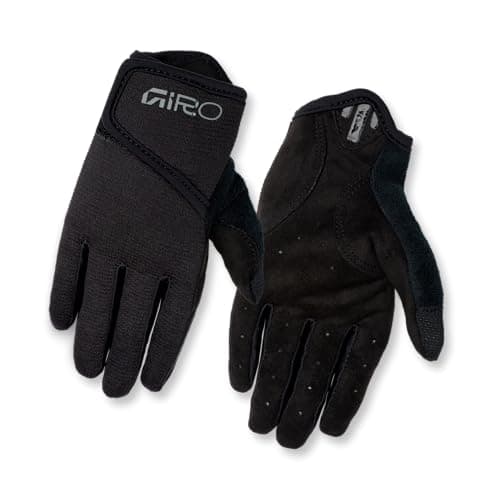 Top pickYouth DND Jr II Glove The only glove here from a bicycle brand that publishes a youth hand-width chart, which is the difference between buying a size and guessing one. | A glove you can size on paper | Youth XS–L · hand width 5.2–6.8" | $21.99 · View on Amazon
|
| 2 | 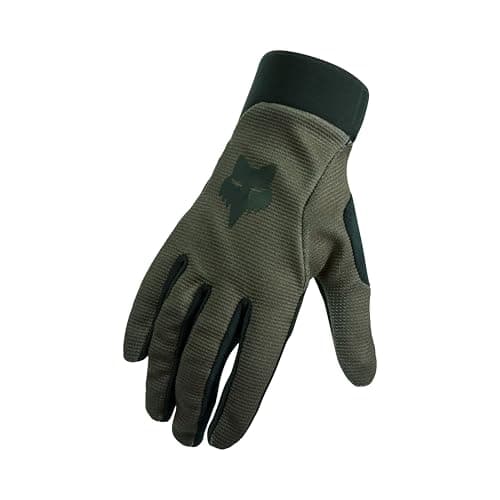 Youth Ranger Mountain Bike Glove The trail glove: a Clarino palm and a mesh back that survives a summer of dirt, with the touchscreen panel that stops a ten-year-old pulling it off to use a phone. | Trail and dirt riding | Youth S–L · hand circumference 5.375–6.125" | |
| 3 | 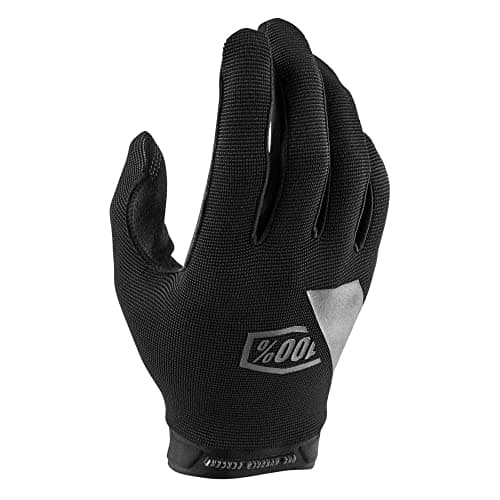 RIDECAMP Youth Glove The lightest glove in this group and the thinnest palm, which is exactly what a confident rider on a geared bike wants — but 100% publishes no hand measurement, so it has to be tried on. | The thinnest palm and best lever feel | Youth S/M/L — no hand measurement published | |
| 4 | 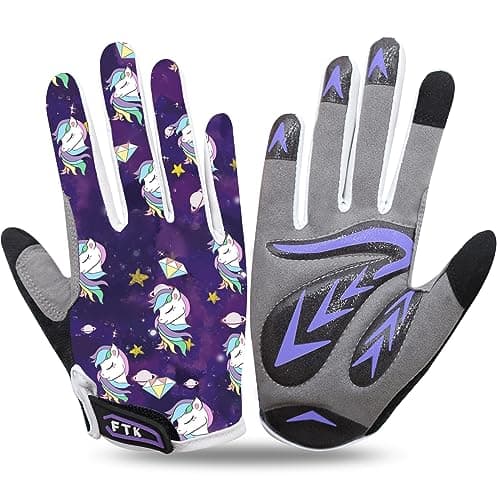 Protective Kids Bike Gloves with Gel Padding The budget pick, and the only glove here with a gel palm pad — which is the right call for a child who is still falling off regularly rather than racing. | A padded palm on a budget | Listing sizes S/M/L · gel palm pad | |
| 5 | 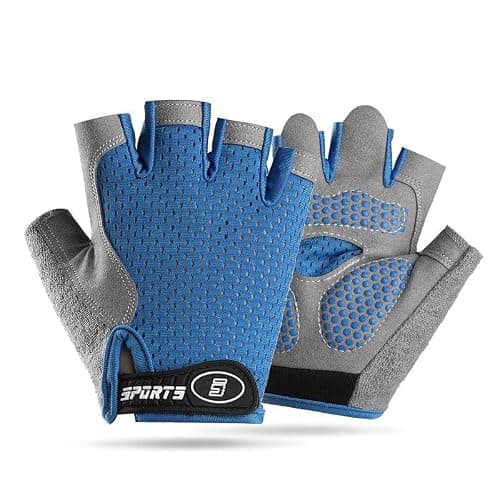 Kids Fingerless Cycling Gloves, 3–8T The balance-bike glove: fingerless, cheap, and sized for a three-year-old, which is the one age almost nothing in this category actually fits. | Balance-bike age, 3 to 5 | Listing says 3–8T · fingerless |
n/p = the manufacturer does not publish that figure. Every other number here comes straight off their spec page.
Top pick — A glove you can size on paper
Youth DND Jr II Glove
The only glove here from a bicycle brand that publishes a youth hand-width chart, which is the difference between buying a size and guessing one.
| Fits | Youth XS–L · hand width 5.2–6.8" |
|---|---|
| Brakes | — |
| Frame | Full-finger glove with a single-layer synthetic palm, a wrap-around hook-and-loop wrist closure and a microfiber thumb panel |
| Brand says | Giro publishes four youth sizes by hand width, XS at 5.2–5.6 in through L at 6.4–6.8 in, rather than by age |
What works
- Giro publishes four youth sizes against a hand-width measurement, so the fit can be checked before you order
- Full-finger coverage with a single-layer palm — thin enough that a child can still feel the brake lever
- Wrap-around hook-and-loop wrist closure, which a child can do up alone
- A cycling glove rather than a motocross glove, so there is no armour over the knuckles to fight the bars
What doesn't
- No gel or foam padding in the palm at all, which some children want on a rough trail
- The Amazon listing is sold per size and per color, so the size you want may be a different listing
- Nothing on the glove is impact-rated; it is abrasion and grip, not protection
- Costs roughly double a generic kids glove for a measurement chart and a better palm
How we checked it: Researched from published specs · Giro — DND Jr II youth glove (sizes by hand width)
#2 — Trail and dirt riding
Youth Ranger Mountain Bike Glove
The trail glove: a Clarino palm and a mesh back that survives a summer of dirt, with the touchscreen panel that stops a ten-year-old pulling it off to use a phone.
| Fits | Youth S–L · hand circumference 5.375–6.125" |
|---|---|
| Brakes | — |
| Frame | Full-finger trail glove with a stretch mesh back, a Clarino synthetic-leather palm and a touchscreen-compatible index finger and thumb |
| Brand says | Fox publishes youth glove sizes by hand circumference — YXS from 5.25 in through YL at 5.875–6.125 in — not by age |
What works
- Clarino synthetic-leather palm is the most abrasion-resistant surface in this group
- Mesh back vents far better than the solid-backed budget gloves, which matters on a climb
- Touchscreen-compatible index finger and thumb
- Fox publishes youth sizing by hand circumference, so it can be measured rather than guessed
What doesn't
- The most expensive glove here by a clear margin
- A trail glove, so it is cut long and snug — fiddly for a child who is still learning to dress themselves
- Sold per size and per colorway as separate listings; the color you want may be out of stock in your size
- Overkill for a balance-bike or first-pedal-bike rider on pavement
How we checked it: Researched from published specs · Fox Racing — Youth Ranger glove
#ad · How we make money · Price as of November 1, 2026
#3 — The thinnest palm and best lever feel
RIDECAMP Youth Glove
The lightest glove in this group and the thinnest palm, which is exactly what a confident rider on a geared bike wants — but 100% publishes no hand measurement, so it has to be tried on.
| Fits | Youth S/M/L — no hand measurement published |
|---|---|
| Brakes | — |
| Frame | Full-finger glove with a single-layer synthetic clarino palm, perforated knuckle panel and a hook-and-loop wrist closure |
| Brand says | 100% publishes youth sizes only as S, M and L, with no hand measurement |
What works
- Single-layer clarino palm with no padding, so brake and shifter feel is the best here
- Perforated knuckle panel vents well for a full-finger glove
- Sits between the Giro and the Fox on price while using the same palm material as the Fox
- The cut is deliberately simple — nothing to catch on a grip
What doesn't
- 100% publishes no hand circumference or hand width for youth sizes, only S/M/L — you cannot size it on paper
- No palm padding at all, which a child who falls often will notice
- Stock on individual size and color listings is thin and moves around
- Marketed for motocross as well as MTB, so some listings show armoured siblings that are not this glove
How we checked it: Researched from published specs · 100% — youth MTB gloves (sizes published S/M/L only)
#ad · How we make money · Price as of November 1, 2026
#4 — A padded palm on a budget
Protective Kids Bike Gloves with Gel Padding
The budget pick, and the only glove here with a gel palm pad — which is the right call for a child who is still falling off regularly rather than racing.
| Fits | Listing sizes S/M/L · gel palm pad |
|---|---|
| Brakes | — |
| Frame | Full-finger glove with a gel-padded palm, stretch fabric back and a hook-and-loop wrist strap |
| Brand says | The listing publishes sizes S, M and L for children, with no age band or hand measurement |
What works
- A gel palm pad at roughly half the price of the cheapest brand-name glove
- Full-finger coverage, so the knuckles and fingertips are covered in a slide
- Simple single wrist strap a four-year-old can manage
- Stocked in a wide range of colors and patterns, which matters more to the child than any spec on this page
What doesn't
- No hand measurement published anywhere — sizing is S/M/L and a guess
- The gel pad reduces brake-lever feel, which is a real trade-off on a bike with hand brakes
- No brand spec page exists; everything published about it is on the Amazon listing
- Fabric back is less breathable than the mesh on the Fox and 100% gloves
How we checked it: Researched from published specs · Amazon listing — FINGER TEN kids bike gloves with gel padding
#ad · How we make money · Price as of November 1, 2026
#5 — Balance-bike age, 3 to 5
Kids Fingerless Cycling Gloves, 3–8T
The balance-bike glove: fingerless, cheap, and sized for a three-year-old, which is the one age almost nothing in this category actually fits.
| Fits | Listing says 3–8T · fingerless |
|---|---|
| Brakes | — |
| Frame | Fingerless glove with a breathable mesh back, a shock pad in the palm, a toweling thumb panel and an adjustable hook-and-loop wrist strap |
| Brand says | The listing publishes a 3–8T size band and no hand measurement |
What works
- Genuinely sized from three years, where most 'youth' gloves start at a six-year-old's hand
- Fingerless, so a toddler can still be helped on and off and does not fight the fingers
- A shock pad in the palm, which is where a scooting child lands
- The cheapest glove here by a wide margin — easy to replace when one goes missing
What doesn't
- Fingerless means no fingertip or knuckle cover, which is where a sliding fall takes skin
- A 3–8T age band is the only sizing published; there is no hand measurement at all
- No brand spec page — everything published about it is on the Amazon listing
- Construction is not in the same class as the Giro or the Fox, and it will not last two seasons
How we checked it: Researched from published specs · Amazon listing — Bawnhaw kids fingerless cycling gloves 3–8T
#ad · How we make money · Price as of November 1, 2026
Questions parents actually ask
01Do kids need bike gloves?
They are not essential the way a helmet is. What they prevent is a scraped palm, which is the injury most likely to stop a child riding for a week or two, and they stop sweaty hands slipping off the grips. Buy the helmet first.
02What size bike gloves does my child need?
Measure around the widest part of the palm with the thumb out of the loop. Giro publishes youth hand widths of 5.2-5.6 in for XS, 5.6-5.9 for S, 6.0-6.4 for M and 6.4-6.8 for L. Fox publishes youth hand circumference from 5.25 in at YXS to 6.125 in at YL. Between sizes, take the larger.
03Should kids bike gloves be full-finger or fingerless?
Fingerless under about five — easier to get on, nothing for a toddler to fight, and there is no brake lever to feel on a balance bike. Full-finger from five up, when speed arrives and knuckles and fingertips start taking the gravel.
04Are padded bike gloves better for kids?
Only sometimes. A gel palm protects the hand and dulls the brake lever, so it suits a balance-bike rider or a child who falls often. A child learning to modulate a hand brake is better off with a thin single-layer palm.
05What is the best kids bike glove?
The Giro Youth DND Jr II, because Giro publishes a youth hand-width chart across four sizes and the palm is thin enough to keep brake feel. For trail riding the Fox Racing Youth Ranger is the harder-wearing option.
Sources
Read next
- Helmets & GearBest kids knee padsFive real kids knee pads, sized by leg measurement rather than age.
- Helmets & GearBest kids bike helmetsFive helmets, compared on head size and certification.
- Learning to RideFirst ride checklistNine checks, ten minutes, before the first ride.
- Gift GuideWhat to buy with a first bikeThe helmet, the pump, the multi-tool. Then stop.