Stage 1 · roughly 18 months to 4 years
Balance bikes
Balance bikes explained by a parent: what inseam actually fits a 12-inch, when to start, which models last two years, and when a balance bike is the wrong buy.
13 pages in this section
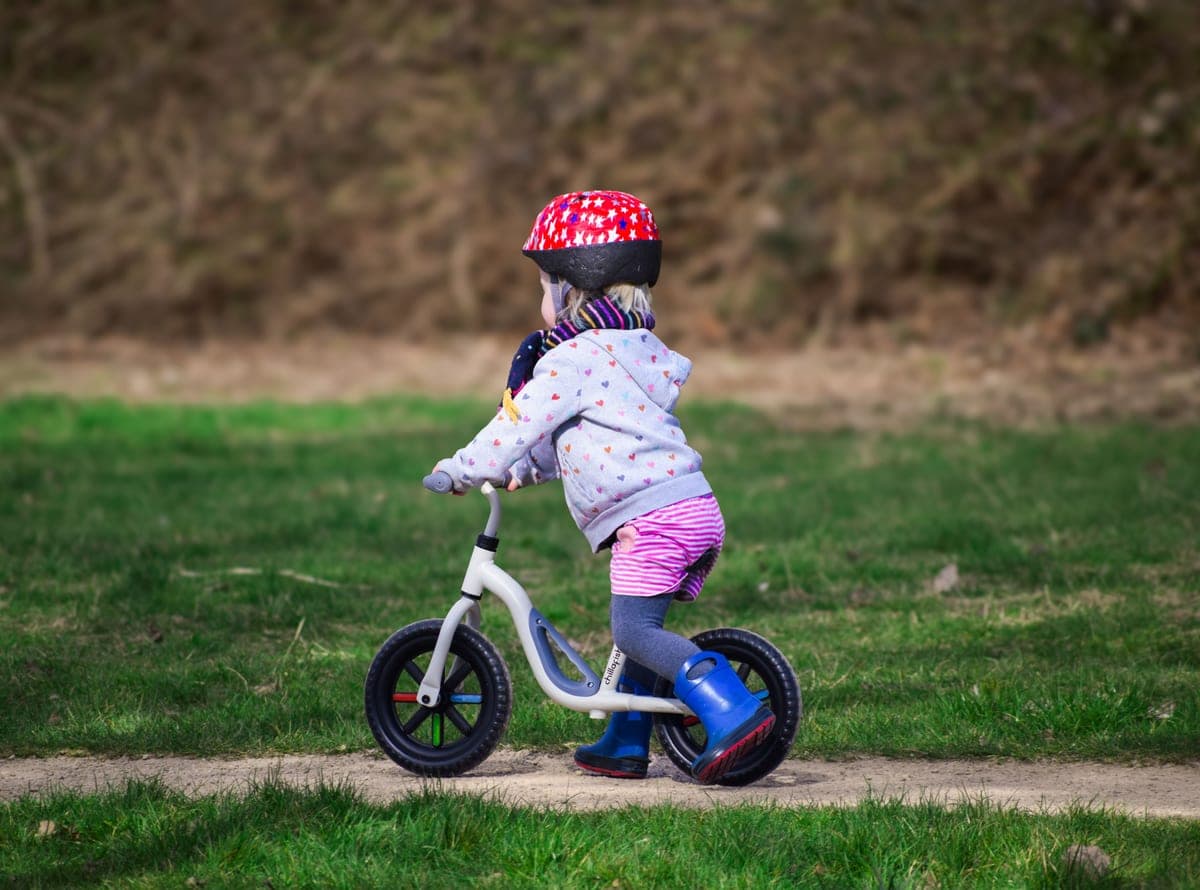
A balance bike is a bike with no pedals, no chain and usually no brake. The child sits on it, walks it, and eventually lifts their feet and glides. That is the whole design, and it exists because balance — not pedaling — is the hard part of learning to ride.
Most children are ready somewhere between 18 months and two and a half, and readiness is a measurement rather than a birthday: can they sit on the saddle at its lowest setting with both feet flat on the ground? If yes, they are ready. If not, no amount of enthusiasm will make the bike work, and the answer is either a lower bike or a few more months.
What actually separates one balance bike from another
Minimum saddle height
The single most important number. It decides whether your child can ride the bike at all today. The models we researched range from 10.2 inches (woom GO 1) to 15 inches (Strider 14x) — a spread that covers everything from an 18-month-old to a six-year-old.
Saddle travel
How long the bike keeps fitting. The Strider 12 Sport publishes 11 to 17 inches — six inches of travel, which is roughly two years of growth. The woom GO 1 publishes 10.2 to 13.9 inches, under four. Neither is wrong; they suit different children at different starting points.
Weight
A two-year-old weighs about 27 lb at the median, and they will pick this bike up off the ground dozens of times a day. The good 12-inch models sit between 6.4 and 6.9 lb — roughly a quarter of the rider. Convertible bikes that take pedals later are nearly double that, which is the real cost of the flexibility.
Tires and brakes
Foam tires never puncture and never need air; air tires grip better and ride softer. A rear hand brake is not needed at balance-bike speeds, but it teaches a lever squeeze before the pedal bike arrives, which is a genuine head start.
What to skip
Footrests marketed as essential — most children ignore them and the ones who want one will find it. Suspension, which does not exist in a useful form at this size. And anything sold as a "balance bike" with four wheels, which is a trike.
How long this stage lasts
Usually a year to eighteen months. The end is signaled by three things: confident ten-second glides with feet up, deliberate steering at speed, and a saddle at its maximum. When those line up, it is time for pedals — the transition is covered on when to switch from a balance bike to a pedal bike.
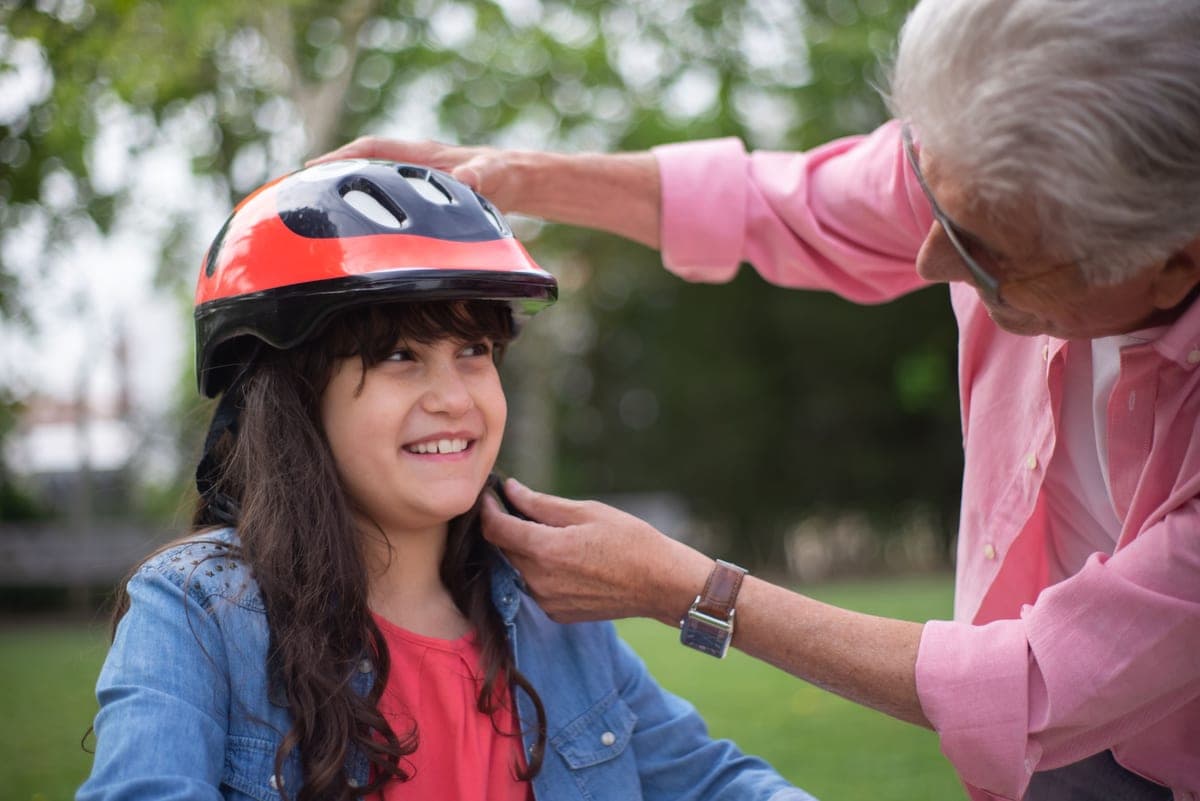
One thing that is not optional at any point in this stage: a helmet certified for a child under five, fitted properly. Sizing is on the kids helmet size chart.
Everything in balance bikes
Some links on this page are affiliate links. If you buy through one, we earn a commission at no extra cost to you. It never changes which bike we put first — here is exactly how we make money.
Roundup
Best balance bikes
Four real balance bikes, compared on saddle height and weight.
Top pick: Strider 12 Sport
Roundup
Best balance bike for a 1 year old
What actually fits a 1-year-old, by saddle height.
Top pick: woom GO 1
Roundup
Best balance bike for a 2 year old
What actually fits a 2-year-old, by saddle height.
Top pick: Strider 12 Sport
Roundup
Best balance bike for a 3 year old
What actually fits a 3-year-old, by saddle height.
Top pick: Strider 12 Sport
Roundup
Best balance bike for a 4 year old
What actually fits a 4-year-old, by saddle height.
Top pick: Strider 14x Sport
Roundup
Balance bikes with pedals
One frame, two stages — and what it costs in weight.
Top pick: Strider 14x Sport