Stage 2 · roughly 3 to 6 years
First pedal bikes
The first pedal bike is mostly a weight problem. Here is what 12, 14 and 16-inch bikes really weigh, which inseam each one fits, and what to skip.
15 pages in this section
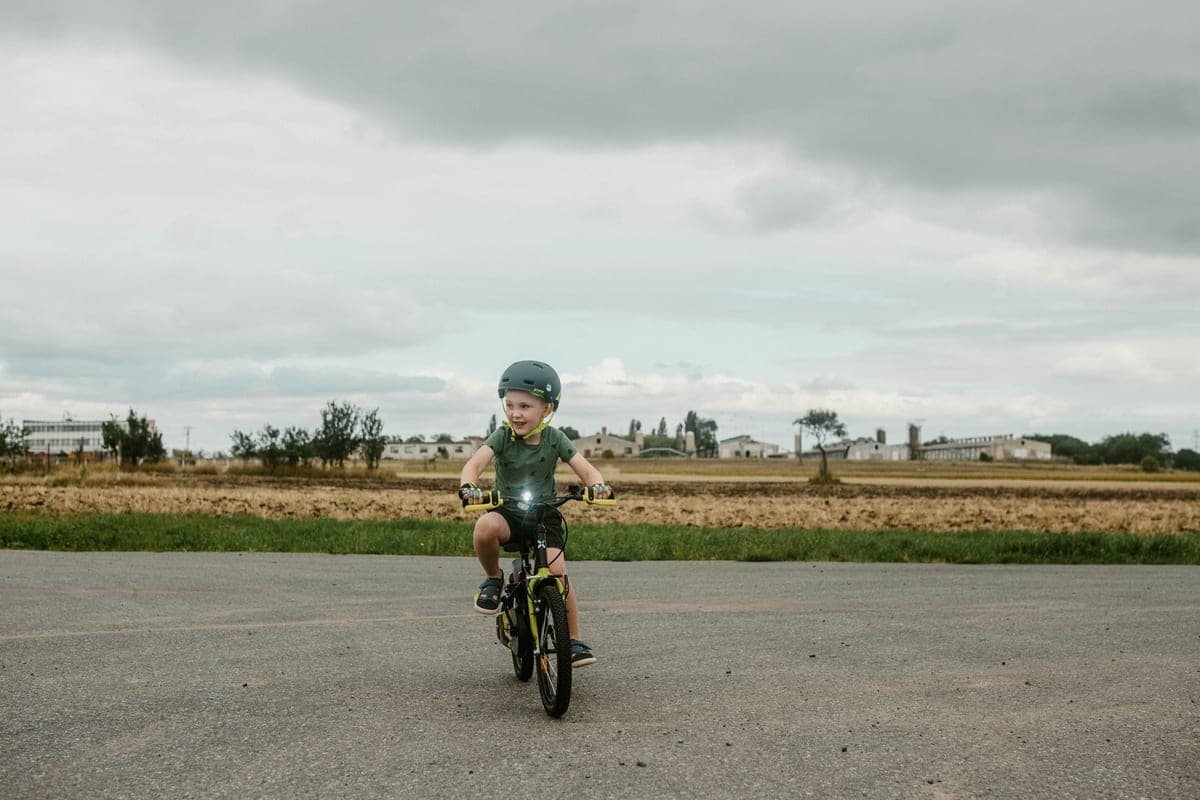
The first pedal bike is mostly a weight problem. Everything else — the colors, the graphics, the brand story — is decoration on top of one question: how much bike is your child being asked to manage?
The 16-inch bikes we researched range from 12.1 lb to 21.16 lb. Against a typical five-year-old at 39.8 lb, that is the difference between about 30% and about 53% of their own body weight. Scale the second figure to an adult and you get a 96 lb bicycle. Nobody would hand that to a beginner and expect enthusiasm.
The three specs that decide it
1. Weight
Aim for under a third of the child's body weight. It shows up in three places: getting moving from a standstill, lifting the bike upright after a tip-over, and the last ten minutes of a ride. The full arithmetic, with the CDC weight medians we used, is on why kids bikes are so heavy.
2. Minimum saddle height
Weight decides whether they can manage the bike; minimum saddle height decides whether they can ride it. Two 16-inch bikes here differ by 2.1 inches at the lowest setting, which at this scale is a whole size.
| Wheel | Inseam | Height | Age brands quote | Stage |
|---|---|---|---|---|
| 12" | 10–18 in | 31–40 in | 1.5 – 3.5 | Balance bike |
| 14" | 14–19 in | 37–43 in | 3 – 5 | First pedal bike |
| 16" | 15.5–25 in | 40–47 in | 4 – 6 | First pedal bike |
| 20" | 18.3–28 in | 43–51 in | 5 – 9 | First gears |
| 24" | 26–32 in | 49–57 in | 7 – 11 | Big kid |
| 26" | 29.5–37.4 in | 55–65 in | 10 – 14 | Adult-adjacent |
Built from the inseam ranges woom, Prevelo, Guardian and Strider publish for their own bikes (read 2026-09-23). Age is the brands' figure, shown so you can see how loosely it maps.
3. Brakes
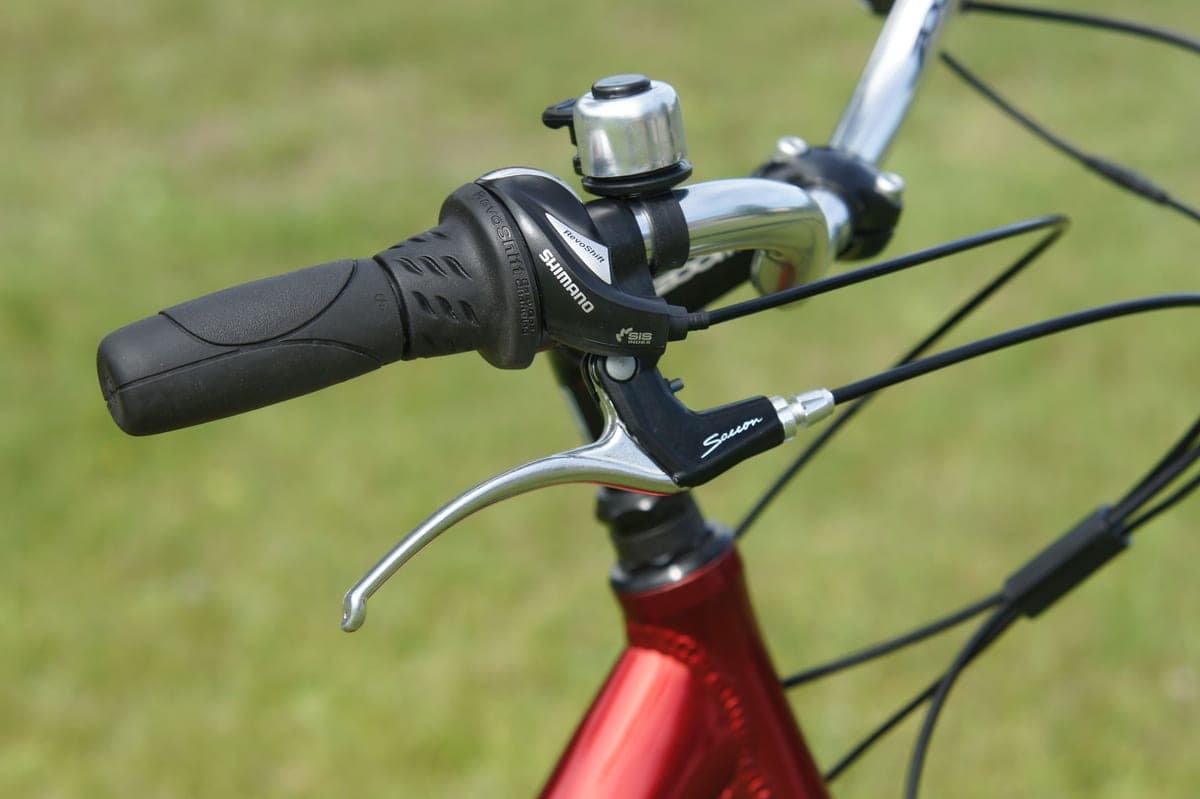
Hand brakes with short-reach levers are what your child will use for the rest of their life. A coaster brake — stop by pedaling backwards — is easier on day one and a nuisance afterwards, because it blocks backpedaling to set the pedal position for a start. Guardian's single-lever SureStop is a third approach that removes the front-brake mistake entirely.
What this stage costs, honestly
The specialist bikes cost several times what a mass-market bike costs. The measurable difference is around 8 lb, usable brakes and published fit data. For a child who rides regularly that changes everything; for two laps of the driveway twice a summer it does not, and we would rather say so.
The route that gets you the light bike without the price is buying used — kids outgrow bikes long before they wear them out. Four checks tell you whether a used one is sound: buying a used kids bike.
What comes next
A 14-inch usually lasts a year, a 16-inch two or three. The move up is driven by fit, not by age — when the saddle is at its maximum and knees are hitting the bars, it is time. If the terrain has also started demanding gears, the answer is on when do kids need gears.
Everything in first pedal bikes
Some links on this page are affiliate links. If you buy through one, we earn a commission at no extra cost to you. It never changes which bike we put first — here is exactly how we make money.
Roundup
Best first pedal bikes
Seven real bikes, from 11.3 lb to 21.16 lb, on published specs.
Top pick: woom GO 2
Roundup
Best 14 inch kids bikes
Three 14-inch bikes, 11.3 lb to 16 lb.
Top pick: Prevelo Alpha One
Roundup
Best 16 inch kids bikes
Four 16-inch bikes — and a 2.1 inch spread in minimum saddle height.
Top pick: Prevelo Alpha Two
Roundup
Best kids bikes with hand brakes
Real levers, and which bikes skip the coaster brake entirely.
Top pick: Prevelo Alpha One
Roundup
Best bike for a 4 year old
What fits a 4-year-old, judged on weight and saddle height.
Top pick: woom GO 2
Roundup
Best bike for a 5 year old
What fits a 5-year-old, judged on weight and saddle height.
Top pick: Prevelo Alpha Two